
HELP ME GET STRATA APPROVAL
Complete NSW Guide For Renovations, Remedial Works & Surface Upgrades
Carrying out works inside a strata property in NSW often requires formal approval.
Strata committees are legally responsible for protecting common property, managing risk, and ensuring compliance with registered by-laws. Their role is not to prevent upgrades — it is to reduce liability and protect the building and its owners.
This guide explains:
– Where to find your by-laws
– Why applications get rejected
– Your formal escalation options
– What type of approval may be required
– Service-specific compliance considerations
– What happens if you renovate without approval
– The correct 5-Step process if approval is refused
This applies to all services, including:
– Microcement
– Waterproofing
– Floor Levelling
– Remedial Repairs
– Flooring Removal
– Metallic Epoxy Coatings
– Popcorn Ceiling Removal
– Underfloor Heating Systems
– Magnesite Flooring Removal
– Concrete Grinding & Polishing
– Shot Blasting & Concrete Scarifying
– Carpet & Flooring Supply & Installation
GENERAL INFORMATION – STRATA BY-LAWS
All strata schemes in NSW operate under registered by-laws regulating how owners, residents and contractors use lots and common property.
By-laws commonly cover:
– Noise restrictions
– Permitted work hours
– Waste removal procedures
– Renovations and alterations
– Use of lifts and common areas
– Protection of common property
– Behaviour of residents and visitors
– Waterproofing and structural changes
– Floor coverings & acoustic requirements
Complying with by-laws ensures the building operates safely and harmoniously.
HOW DO I GET A COPY OF MY BY-LAWS?
You can obtain your by-laws by:
– Conducting a strata records search
– Asking your real estate agent or landlord
– Contacting the strata committee secretary
– Requesting them from your strata manager
Tenants must receive a copy within seven (7) days of signing their lease.
Understanding your building’s specific rules is essential before submitting any application.
UNDERSTANDING RENOVATION CATEGORIES IN NSW
Not all works within a strata property require the same level of approval. Correctly identifying your renovation category is critical to avoiding delays or rejection.
Under NSW strata legislation, renovations are generally classified into three categories:
Cosmetic Work (Usually No Formal Approval Required)
Cosmetic work generally refers to minor internal changes that do not affect:
– Fire systems
– Waterproofing
– Common property
– Structural elements
– Services (electrical, plumbing, gas)
Typical examples may include:
– Painting internal walls
– Replacing blinds or curtains
– Minor patching or surface repairs
– Installing picture hooks or shelving
– Like-for-like carpet replacement (in some cases)
However, cosmetic work must still comply with by-laws.
For example, work hours, waste removal and noise restrictions still apply.
If cosmetic work begins to affect waterproofing, flooring acoustics, or common property, it may no longer qualify as cosmetic.
Minor Renovations (Strata Committee Approval Required)
Minor renovations generally require written approval from the strata committee.
Many strata schemes delegate approval authority to the committee. If not, approval may require a vote at a general meeting.
Minor renovations typically include:
– Carpet Removal
– Installing hard flooring
– Metallic epoxy coatings
– Microcement installation
– Floor levelling compounds
– Concrete grinding and polishing
– Flooring removal and replacement
– Kitchen renovations (non-structural)
– Internal wall removals (non-load-bearing)
– Underfloor heating installation (in some cases)
– Bathroom renovations (without structural changes)
These works often trigger:
– Product certifications
– SWMS documentation
– Insurance documentation
– Acoustic compliance requirements
Even if the work is entirely within your lot, strata approval may still be required due to noise, dust, or common property risk.
Major Renovations (Special Resolution Required)
Major renovations require approval at a general meeting via special resolution.
A special resolution passes if no more than 25% of votes cast are against the motion.
Major works typically include:
– Slab penetrations
– Structural alterations
– Façade or remedial repairs
– Works affecting fire systems
– Changes to building services
– Concrete cancer remediation
– Balcony membrane replacement
– Significant load changes to the slab
– Waterproofing works affecting common property
If works alter or affect common property, a special by-law may need to be:
– Drafted (often by a lawyer)
– Approved at the general meeting
– Registered with NSW Land Registry
In most cases, the lot owner pays the legal and registration costs associated with special by-laws.
Major works are treated as higher risk because they may impact:
– Other lot owners
– Building insurance
– Structural integrity
– Waterproofing warranties
These projects often require engineering reports, certification and detailed compliance documentation.
Important Note About “Common Property”
Many owners are unaware that certain building components are common property, including:
– Balconies
– Exterior walls
– Structural slabs
– Waterproofing membranes
– Services within walls and floors
If your works affect common property — even partially — approval requirements increase significantly.
WHY STRATA APPLICATIONS GET REJECTED
Most refusals are procedural, not personal.
Common reasons include:
– Engineering concerns
– Risk to common property
– Dust or vibration concerns
– Incomplete scope of works
– No acoustic documentation
– Missing insurance certificates
– Inadequate building protection plan
Strata committees are risk managers—the clearer and more professional your documentation, the higher your approval rate.
THE 5-STEP PROCESS IF YOUR APPLICATION IS REFUSED
If your strata application has been declined, it does not automatically mean the project cannot proceed.
In most cases, refusals occur due to incomplete documentation, risk concerns, or misunderstanding of the proposed works, not because the strata committee is permanently opposed to the renovation.
Strata committees are responsible for protecting common property, managing building risk, and ensuring compliance with legislation and by-laws. When an application is unclear or missing information, the safest decision for them is to refuse it.
The following 5-step process outlines the correct way to address a refusal, strengthen your application, and significantly improve your chances of approval — while maintaining compliance with NSW strata requirements.
Step 1: Request Written Reasons
Always request the refusal in writing from your strata manager or owners corporation.
Obtaining clear, written reasons ensures you understand the specific concerns or compliance issues that led to the decision. This allows you to address each point accurately, provide any missing documentation, and avoid resubmitting an incomplete or unclear proposal.
Step 2: Review Your By-Laws
Carefully review your building’s registered by-laws to ensure your proposed works fully comply with all applicable rules and conditions. Many refusals occur simply because an application does not clearly demonstrate alignment with the scheme’s specific requirements.
Confirm compliance with:
– Permitted work hours
– Structural restrictions
– Acoustic requirements
– Common property rules
– Waterproofing limitations
Taking the time to cross-check your proposal against the by-laws significantly improves your chances of approval.
Step 3: Submit A Complete Documentation Package
Strata committees make decisions based on risk assessment. The more complete and professional your submission, the lower the perceived risk.
Ensure your application includes all relevant documentation so there are no unanswered questions or missing details.
Include:
– SWMS documentation
– Product specifications
– Waste management plan
– Detailed written scope of works
– Lift and hallway protection plan
– Acoustic certification (if flooring)
– Engineering reports (if structural)
– Workers Compensation Insurance
– Waterproofing certification (if applicable)
– Public Liability Insurance (commonly $10M – $20M minimum)
A thorough, well-prepared submission demonstrates competence and significantly reduces delays.
Step 4: Adjust The Proposal Where Reasonable
Many refusals are conditional rather than permanent. Strata committees may simply require minor adjustments to reduce perceived impact or risk.
Where reasonable, consider modifying your proposal to address the specific concerns raised.
Small modifications often resolve concerns, such as:
– Adjusting work hours
– Increasing acoustic rating
– Adding enhanced dust suppression
– Providing additional compliance certificates
Most disputes are resolved at this stage without the need for formal escalation.
Step 5: Formal Dispute Resolution (Last Resort)
If approval is unreasonably withheld after genuine attempts to comply, formal dispute resolution may be considered.
This step should only occur once all reasonable efforts to address the strata’s concerns have been exhausted.
Options may include:
1) Mediation through NSW FAIR TRADING
2) Applying to NCAT (NSW Civil and Administrative Tribunal)
3) Take your STRATA to the TRIBUNAL
If It’s Regarding Magnesite Flooring, You Can Also:
1) Have an ENGINEER / REMEDIAL BUILDER inspect the floor to provide a report stating that the work must be completed
2) Contact a DOCTOR of your choice to get a note stating that you are exposed to unsafe conditions due to the magnesite flooring possibly containing asbestos and silica dust
The Ultimate Last Resort:
– Contact a LAWYER of your choice
These 6 options are generally considered a last resort after reasonable attempts to resolve the issue have been made.
Escalation should be approached carefully and professionally, as most matters can be resolved through proper documentation and communication before reaching this stage.
SERVICE-SPECIFIC STRATA CONSIDERATIONS
Different services trigger different compliance requirements within strata schemes.
Some works primarily raise acoustic concerns, while others involve waterproofing compliance, structural certification, dust control obligations, fire safety, or special by-law registration. Understanding the specific compliance triggers relevant to your project helps reduce delays and prevent avoidable objections.
Below are key considerations relevant to your project.
Microcement
Microcement installations often involve substrate preparation and changes to surface finish levels, which may impact waterproofing and slip resistance compliance.
Key considerations include:
– Slip resistance ratings
– Floor height transitions
– Moisture testing of the slab
– Waterproofing compliance in wet areas
– May require surface grinding or scarifying
Proper preparation and moisture assessment are critical to long-term performance and strata approval.
Waterproofing
Waterproofing works are treated as high-risk in strata buildings due to their potential impact on common property and neighbouring lots.
Key considerations include:
– Licensed applicators
– Waterproofing certificates
– Special by-law requirements
– Balcony and common property implications
– Compliance with Australian Standards (AS 3740 / AS 4654)
Waterproofing often falls under major works and may require special resolution approval.
Floor Levelling
Although floor levelling is often internal, it can affect slab load, finished floor heights, and acoustic performance.
Key considerations include:
– Load considerations
– Acoustic implications
– Door threshold height changes
– Confirmation of no structural slab impact
Even minor height changes may require acoustic reassessment when hard flooring is installed.
Remedial Repairs / Concrete Cancer
Remedial and structural repair works carry higher levels of liability and often require engineering involvement.
Key considerations include:
– Scaffolding approvals
– Structural certification
– Balcony and facade works
– Access to common property
– Engineering reports are often required
These projects are typically treated as higher-risk due to structural and insurance implications.
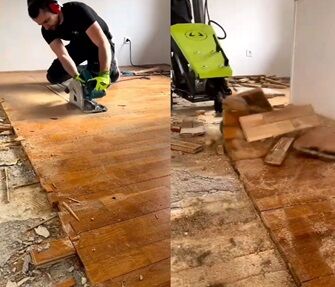
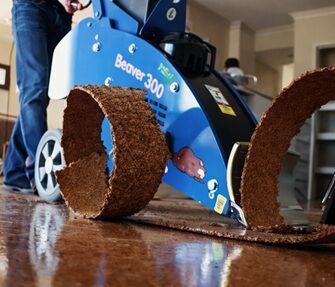
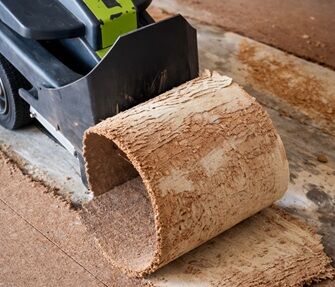
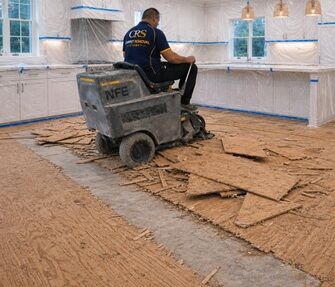
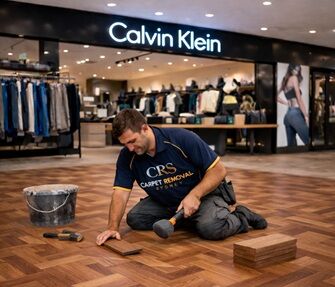
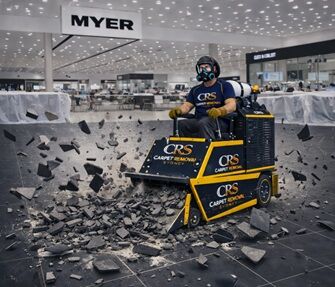
Flooring Removal
Demolition and flooring removal works raise concerns regarding dust, vibration and disturbance to neighbouring lots.
Key considerations include:
– Vibration management
– Waste removal logistics
– Impact on neighbouring lots
– Dust containment (silica compliance)
Proper dust suppression and protection planning are critical in occupied strata environments.
Concrete Grinding & Polishing
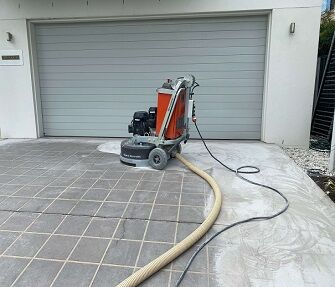
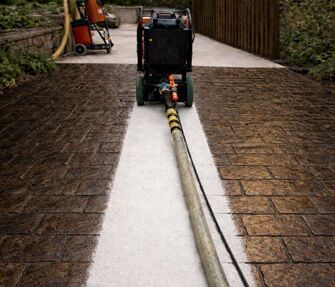
Surface preparation and polishing works generate dust and noise, which are primary concerns for strata committees.
Key considerations include:
– Noise management
– Power supply requirements
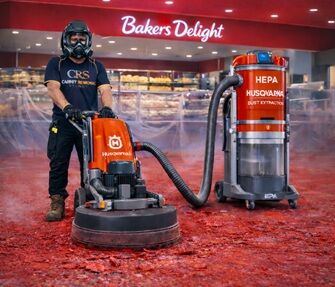
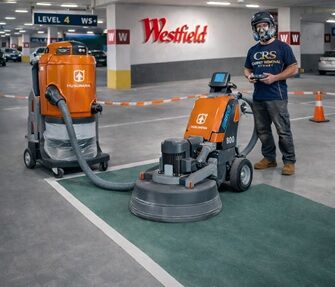
– HEPA dust extraction systems
– Silica dust control (WHS compliance)
Dust management and compliance with workplace safety regulations are essential.
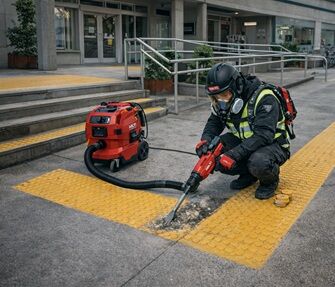
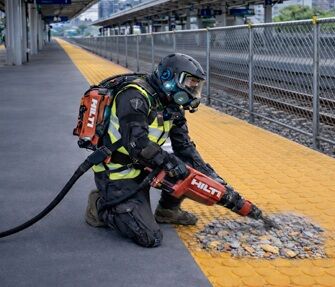
Shot Blasting & Concrete Scarifying
These heavy preparation methods involve mechanical impact and vibration, which can raise structural and disturbance concerns.
Key considerations include:
– Service isolation
– Dust containment
– Vibration risk assessment
– Restricted access management
– Heavy equipment transport planning
Detailed planning helps demonstrate that the works will not compromise building integrity.
Metallic Epoxy Coating Installation
Coating systems, particularly in basements or commercial areas, may trigger ventilation and fire safety considerations.
Key considerations include:
– VOC management
– Ventilation requirements
– Slip resistance compliance
– Fire safety considerations (basements & commercial areas)
Proper material selection and compliance documentation are essential.
Underfloor Heating Systems
Underfloor heating installations interact with slab structure, waterproofing layers and electrical systems.
Key considerations include:
– Slab interaction
– Fire compliance
– Electrical certification
– Floor height increases
– Waterproofing integration
These systems often trigger special resolution approval due to their impact on structural and service components.
Carpet & Flooring Supply And Installation
Flooring upgrades frequently trigger acoustic compliance requirements within strata schemes.
Key considerations include:
– Supplier specifications
– Compliance documentation
– Acoustic underlay certification
– Post-install compliance (if required)
Acoustic compliance remains one of the most common strata concerns when replacing flooring.
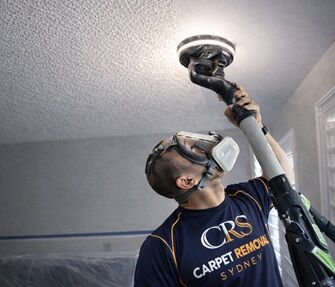
Popcorn Ceiling Removal
Popcorn ceiling removal in older buildings may involve significant health and safety considerations.
Key considerations include:
– Dust containment
– Height access equipment compliance
– Protection of smoke alarms & sprinklers
– Asbestos testing (critical in older buildings)
Proper testing and containment procedures are essential to protect residents and comply with safety regulations.
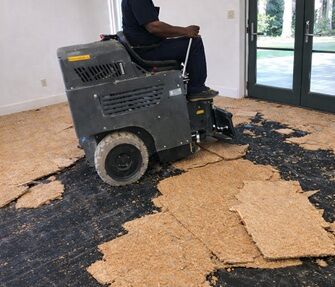
Magnesite Flooring Removal
Magnesite flooring is common in older Sydney strata buildings and often requires careful assessment before removal.
Key considerations include:
– Silica dust exposure during removal
– Structural slab condition after removal
– Impact on neighbouring lots during demolition
– Moisture damage beneath the magnesite layer
– Waste classification and disposal requirements
– Acoustic implications when replacing with hard flooring
– Vibration management if mechanical removal is required
– Potential asbestos contamination (testing may be required before disturbance)
Magnesite removal in strata buildings frequently raises health, safety and structural concerns. Independent testing, engineering input, and detailed dust management plans may be required before approval is granted.
Because magnesite can conceal slab deterioration or moisture issues, strata committees often treat removal works as higher-risk projects.
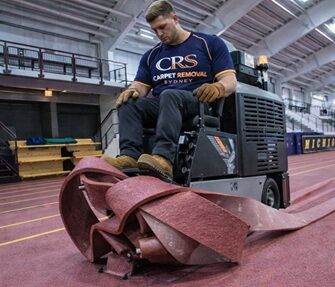
Carpet Removal
Carpet removal within strata buildings is generally considered minor work, but it can still trigger acoustic, dust and disturbance concerns — particularly in occupied residential buildings.
Key considerations include:
– Noise management during removal
– Protection of common areas and lifts
– Waste removal and disposal logistics
– Dust containment and air quality control
– Acoustic compliance when replacing with hard flooring
– Potential adhesive residue requiring mechanical preparation
While carpet removal itself is typically straightforward, replacing it with hard flooring often introduces additional acoustic compliance requirements. Strata committees are particularly focused on preventing noise transfer between lots.
Proper dust control, protection measures and compliance documentation help ensure smooth approval and minimal disruption to other residents.
WHAT HAPPENS IF YOU RENOVATE WITHOUT APPROVAL?
Failure to obtain required approval may result in:
– Fines
– Legal costs
– Notice to Comply
– Orders to remove works– NCAT proceedings
It is always safer to follow proper approval procedures.
WE ASSIST WITH RESIDENTIAL & COMMERCIAL STRATA PROJECTS
We work across:
– Apartments
– Townhouses
– Retail strata lots
– Commercial offices
– Mixed-use buildings
– Industrial strata complexes
We understand the compliance requirements across all building types.
HOW WE HELP YOU GET APPROVED
We regularly complete work within strata buildings across Sydney.
We assist by:
– Preparing strata-ready scopes of work
– Working strictly within approved hours
– Using advanced dust-controlled systems
– Coordinating directly with strata managers
– Providing SWMS and compliance certificates
– Protecting lifts, hallways and common areas
– Following all building compliance procedures
– Supplying all required insurance documentation
Our objective is simple:
1) Reduce Risk.
2) Reduce Delays.
3) Increase Approval Success.
Still Need Help Or Advice?
If your STRATA is still refusing to give you approval for your project, CONTACT US NOW so that our team can help you through the process.
Click Here To Learn More About STRATA Approval
Click Here To Learn More About Your STRATA’s Safety Responsibilities
Click Here To Learn More About Is Your Strata Putting You In Harm’s Way?
Click Here To Learn EVERYTHING You Need To Know About Magnesite Flooring

View The Tile Removal Services That We Offer
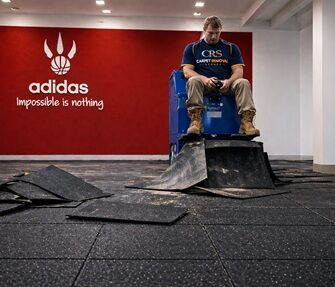
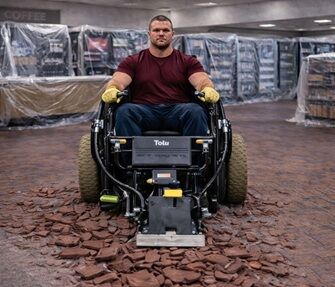
View The Flooring Removal Services That We Offer
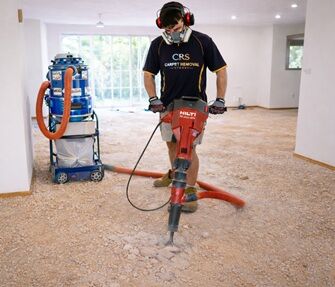
$42
Per Square Metre* – NON ASBESTOS ONLY
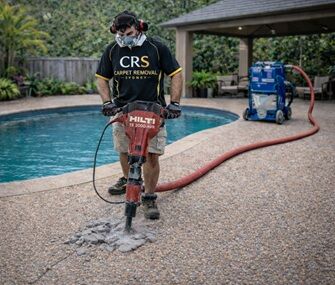

$9 – $19
Per Square Metre*– NON ASBESTOS ONLY

$9 – $19
Per Square Metre*– NON ASBESTOS ONLY







$19 – $35
Per Square Metre*

$19 – $35
Per Square Metre*
$19 – $35
Per Square Metre*


$9 – $19
Per Square Metre*
$42
Per Square Metre*

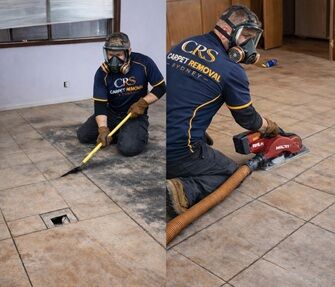
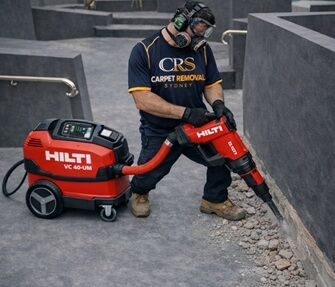
View The Concrete Grinding Services That We Offer
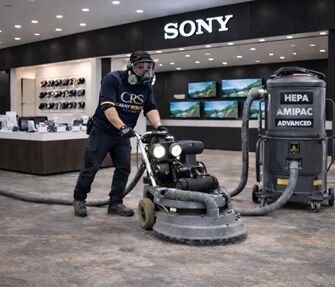
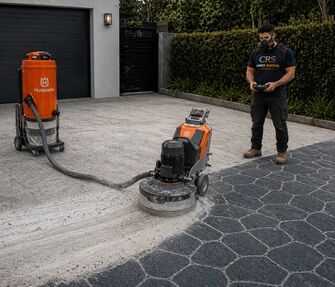
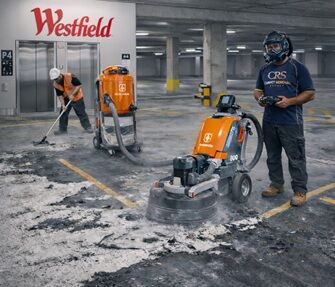
$10 – $60
Per Square Metre*– NON ASBESTOS ONLY
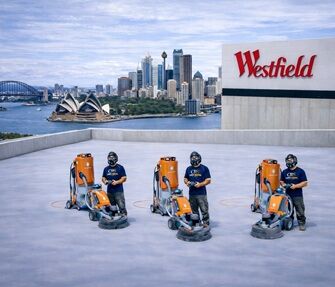
$10 – $60
Per Square Metre*– NON ASBESTOS ONLY
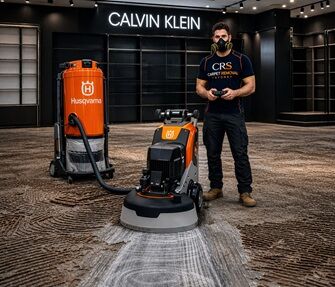
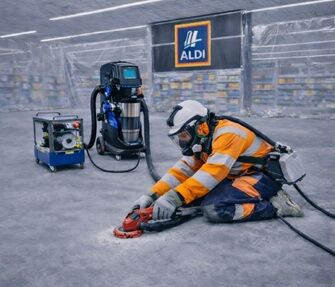
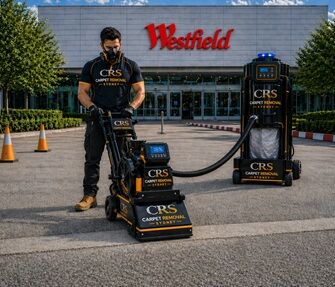
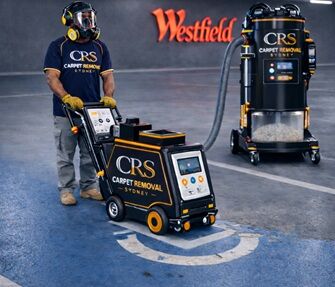
View The Carpet Services That We Offer
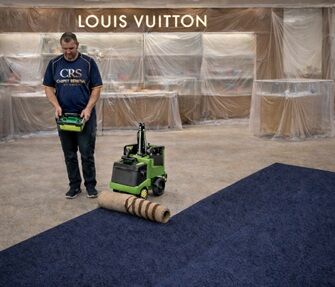
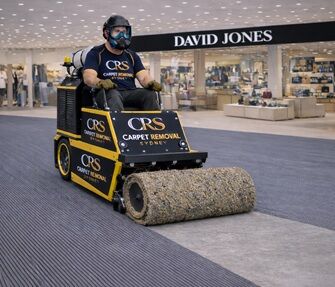
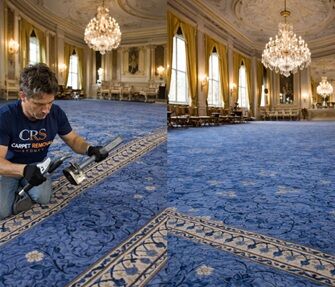
$15 – $20
Per Square Metre*
– 50 SQUARE METRES MINIMUM
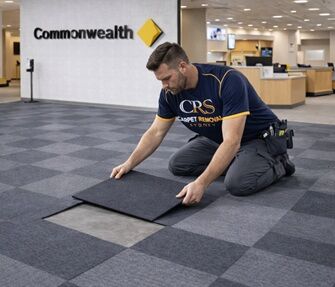
$15 – $20
Per Square Metre*
– 50 SQUARE METRES MINIMUM
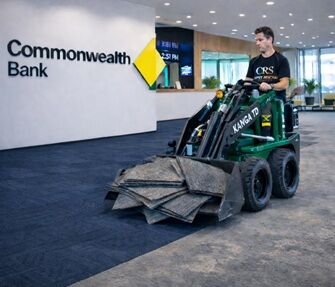
$15
Per Square Metre*
– 50 SQUARE METRES MINIMUM
View The Concrete Polishing Services That We Offer
– Free Quotes
– Free Site Inspections

View The Remedial Repair Services That We Offer
– Free Quotes
– Free Site Inspections
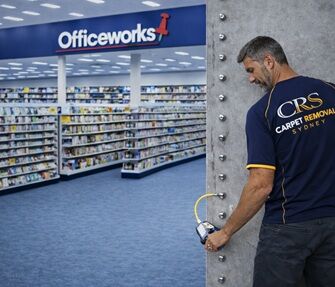

$40 – $65
Per Square Metre*
– 50 SQUARE METRES MINIMUM
View The Installation Services That We Offer
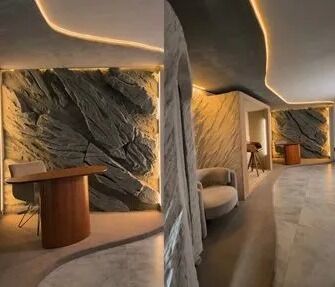
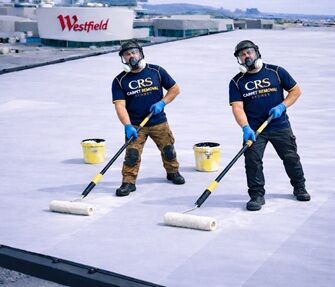
$300 – $600
Per Square Metre*
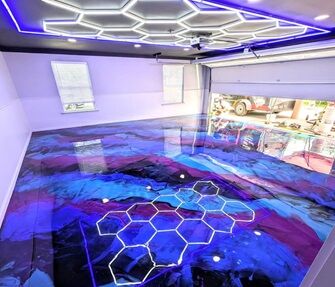
$40 – $160
Per Square Metre*
View The Other Services That We Offer

$29 – $39
Per Square Metre*