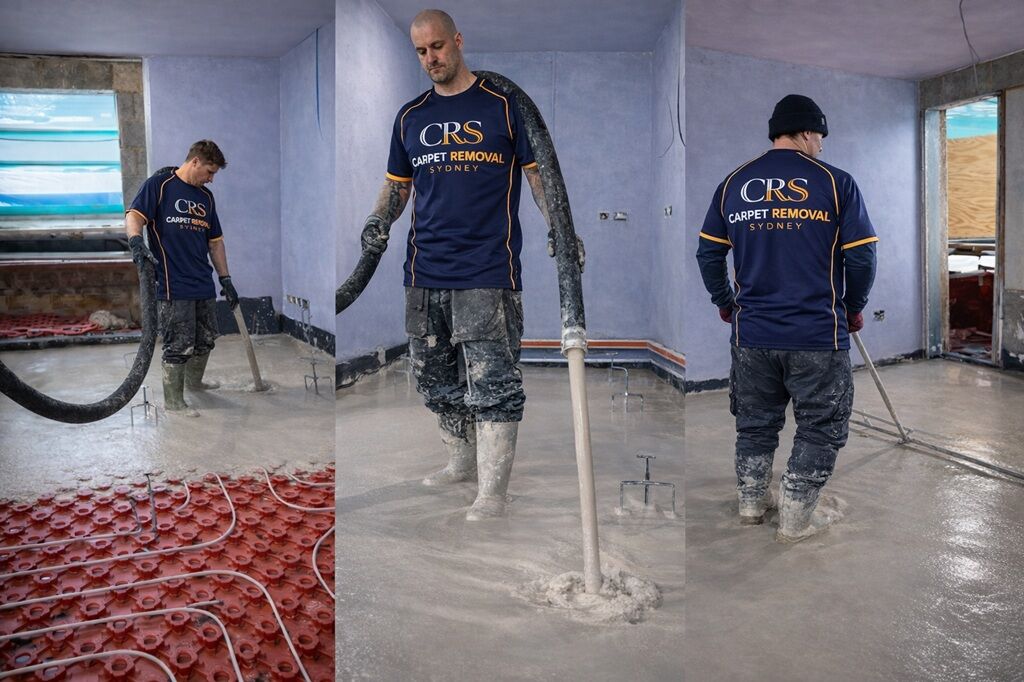

Why Do I Need Leveling?
When it comes to installing new flooring, the condition of your subfloor is just as important as the flooring itself. Many homeowners and businesses overlook one critical step: floor leveling. Uneven floors aren’t just an aesthetic issue—they can lead to long-term structural problems, costly repairs, and safety hazards. Understanding why you need Floor Leveling can save you time, money, and frustration down the line.
Ensure a Smooth and Professional Finish
One of the most obvious reasons to level your floor is to achieve a smooth and even surface. Uneven floors can cause problems when installing tiles, laminate, vinyl, or timber flooring. Tiles may crack, vinyl can bubble, and laminate planks may not lock properly, resulting in an uneven appearance. Floor leveling ensures that your new flooring sits perfectly, giving your space a professional and polished look.
Prevent Long-Term Damage
Ignoring an uneven subfloor can lead to significant damage over time. High or low spots in your floor can create stress points that affect the integrity of your flooring. Over time, this can cause cracking, warping, or separation between tiles or planks. For wooden floors, uneven surfaces can lead to squeaking, loosening, or even structural issues with the joists underneath. Floor leveling distributes weight evenly, reducing wear and prolonging the lifespan of your flooring.
Improve Safety
Uneven floors aren’t just unsightly—they’re dangerous. Raised edges or dips in your floor can be a tripping hazard, especially for children, elderly family members, or employees in a workplace. Even minor inconsistencies can lead to slips, falls, and injuries. By investing in professional floor leveling, you can create a safe, hazard-free environment in your home or business.
Enhance Comfort and Functionality
Walking on an uneven floor can feel uncomfortable and awkward. Floor leveling eliminates bumps and slopes, creating a more comfortable surface for daily use. In addition, a level floor is crucial for furniture stability. Tables, chairs, and cabinets sit evenly without wobbling, preventing damage and improving functionality in your living or working space.
Essential for Certain Flooring Types
Some flooring materials are more sensitive to uneven surfaces than others. For example, polished concrete, laminate, and vinyl flooring, floorboards and tiles require perfectly level surfaces for proper installation. Even small deviations can result in noticeable imperfections. Floor leveling ensures your chosen flooring type adheres properly and maintains its aesthetic appeal.
Save Time and Money
Although floor leveling is an additional step, it’s an investment that saves money in the long run. Attempting to install flooring on an uneven surface often leads to costly mistakes, repairs, or early replacement. Professional floor leveling ensures that your flooring installation goes smoothly the first time, reducing downtime and unnecessary expenses.
Need Professional Floor Levelling In Sydney?
Need Professional Floor Levelling In Sydney?
While these tips explain the basics of floor levelling, achieving a perfectly flat and durable surface usually requires specialised equipment and experienced operators. Professional Floor Levelling services use high-performance self-levelling compounds, precision surface preparation, and industry-grade tools to ensure long-lasting results.
If you’re dealing with uneven concrete, damaged subfloors, or height inconsistencies, our Expert Floor Levelling Services In Sydney can restore your surface to a smooth, level condition ready for tiles, timber, vinyl, or carpet installation.
Our team specialises in concrete levelling, timber floor levelling, Concrete Grinding, and complete floor preparation services for residential, commercial, and industrial projects throughout Sydney.
Our team also specialises in:
Full Flood Coats
Whole-area flood coats
Skim / Feather Coats
Light surface corrections
Liquid Screeds
Large areas requiring precision flatness
Self-Levelling Compounds
Smooth, fast-curing systems
Ramps & Falls To Drains
Controlled gradients for wet areas and compliance
Traditional Sand & Cement Screeds
Height build-up, ramps, and structural support
Learn More About Our Professional Floor Levelling Services In Sydney Here